

AI is heating up.We keep it cool.


The future of AI demands a thermal architecture that eliminates heat without sacrificing performance. Iceotope co-designs and licenses precision liquid cooling technology to OEMs and ODMs building the next generation of AI.
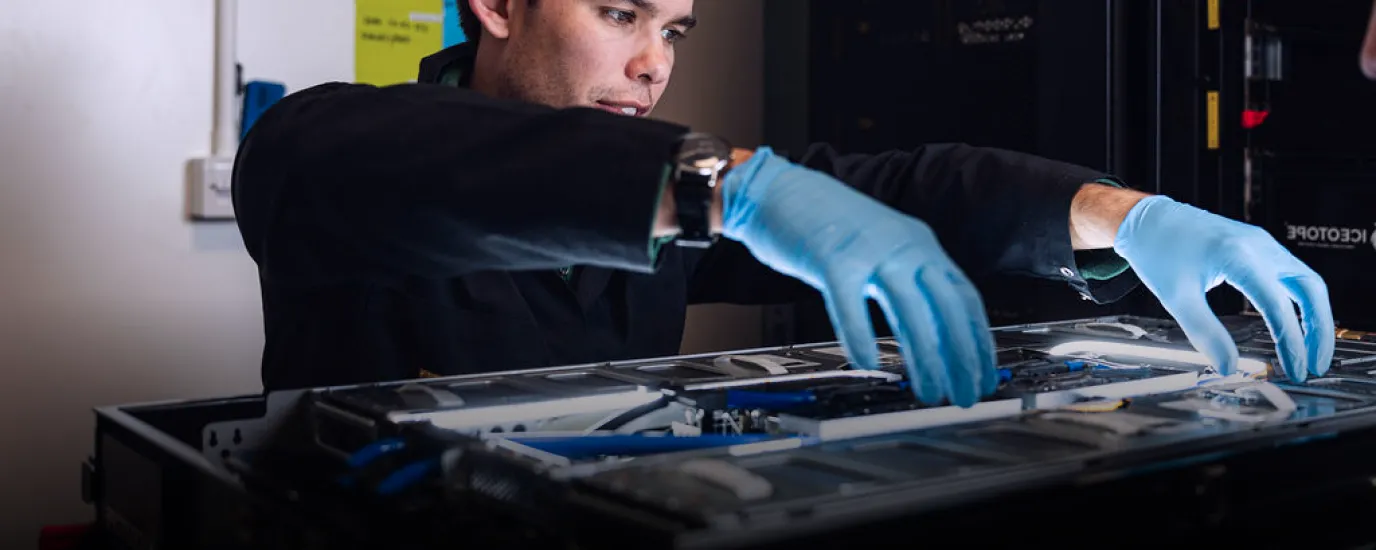











The future of AI and HPC runs hot. Iceotope precision liquid cooling keeps systems operating at peak performance.

Our 228 pending, issued, and allowed patents support chassis-level precision liquid cooling. We co-design thermal solutions for OEMs and ODMs and license our technology.

Unlike cold-plate technology that works best on flat surfaces, Iceotope's "direct to everything" method cools all components: processors, memory, storage, and PSUs.

Iceotope precision liquid cooling maximizes energy efficiency and dramatically reduces water use, helping AI run sustainably for a cleaner, greener future.

.svg)


Iceotope precision liquid cooling is integrated at both the chassis and system level.
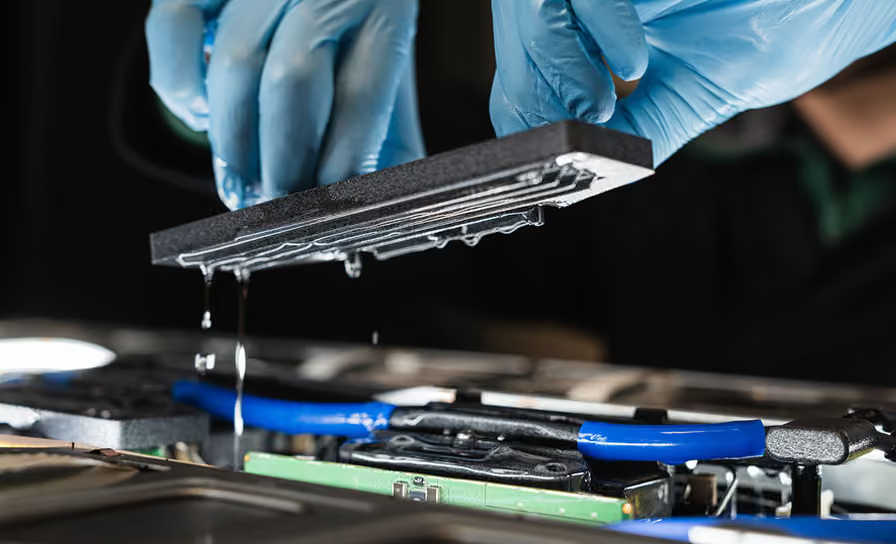
Our patented, chassis-level immersion cooling keeps GPUs, CPUs, storage, memory, and power supplies operating at peak performance while significantly reducing energy use and failure points
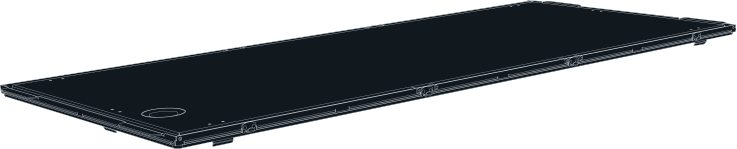
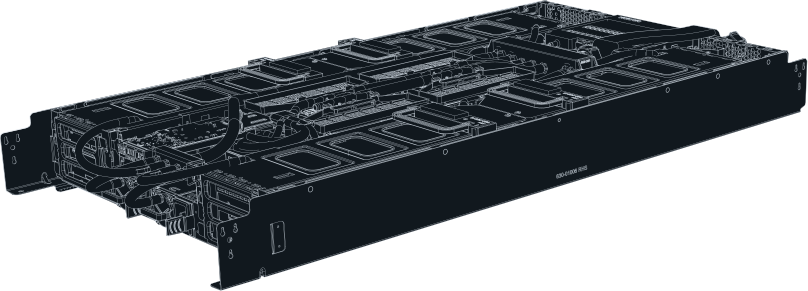
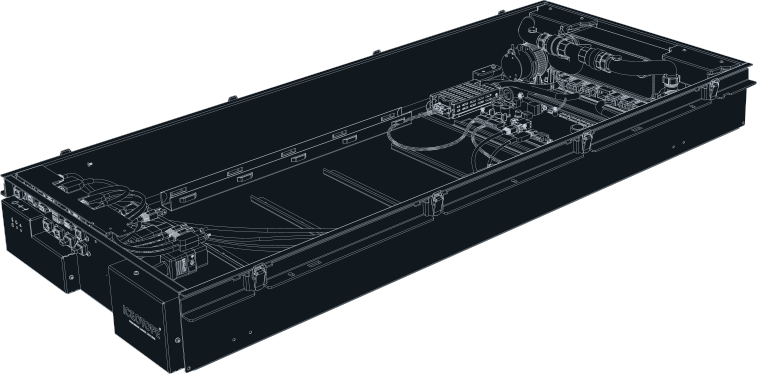
Discover precision liquid cooling reference designs for the next generation of AI.


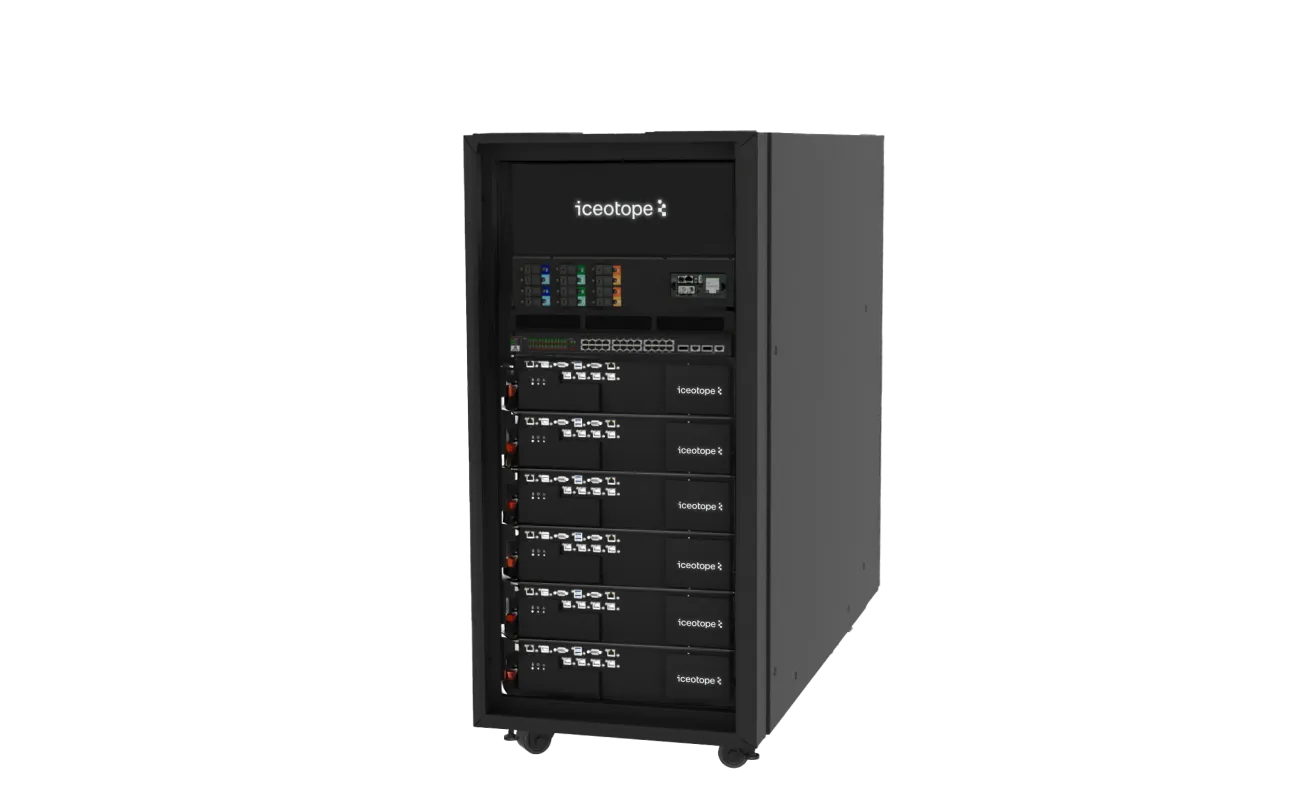

Precision liquid-cooled AI inferencing clusters that integrate compute, cooling, networking, memory and storage into a compact solution and can be deployed in almost any environment, without requiring facility water or dry chillers.


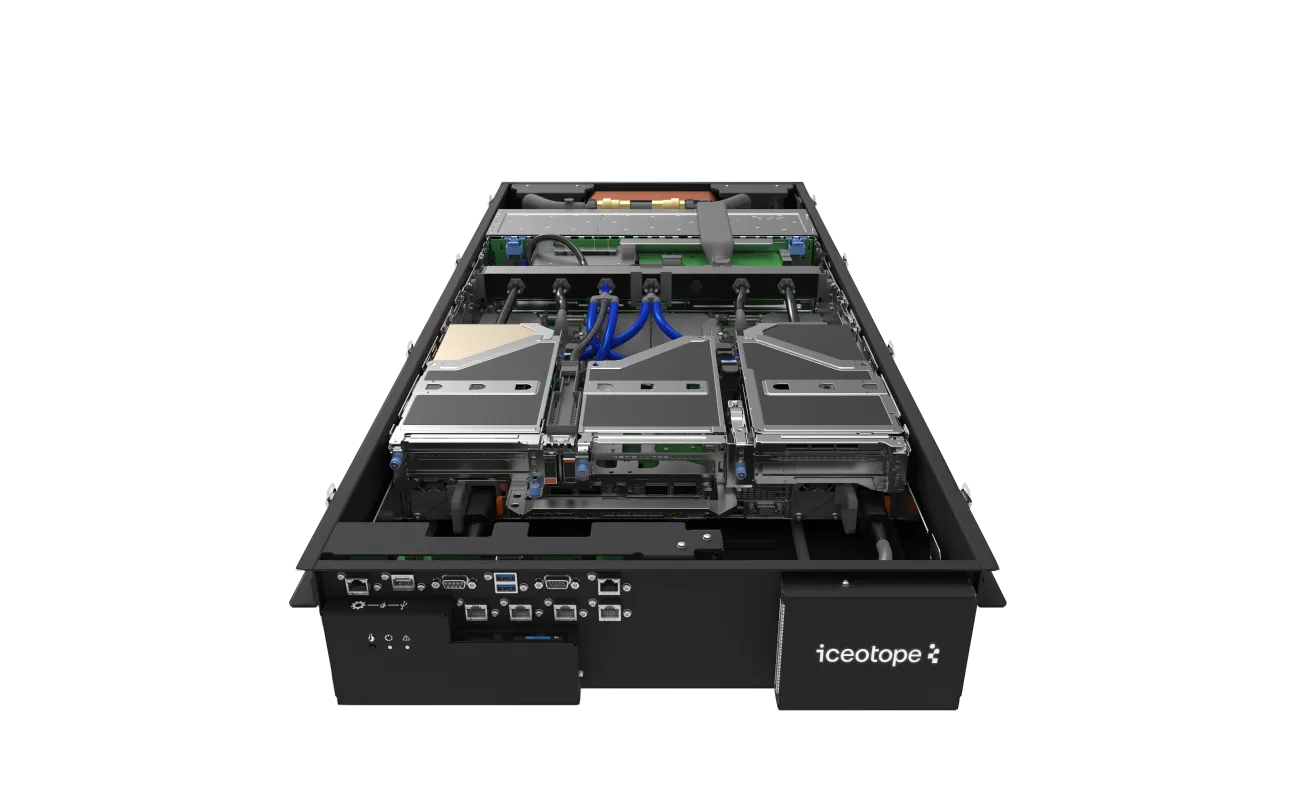

Precision liquid-cooled data center solutions designed to handle the increasing demands of high-density, low-latency workloads. Compatible with existing rack deployments, Iceotope technology ensures stable thermal management, even under peak load conditions.
Work with our team to design integrated next-gen thermal architecture without ground-up redesign.


Our 228 pending, issued, and allowed patents cover the entire cooling stack. You gain access to proven reference designs, full integration specifications, and detailed schematics for engineering development.

We develop and validate in our own labs, then work with your engineering teams to develop production-ready products. You control SKU definition, deployment, and fulfillment.
Rack power is climbing fast: from 50-120 kW today to 1 MW+ by 2029. Liquid cooling is no longer an optional feature. Iceotope's IP puts your products ahead of the curve.


Ready to talk?
